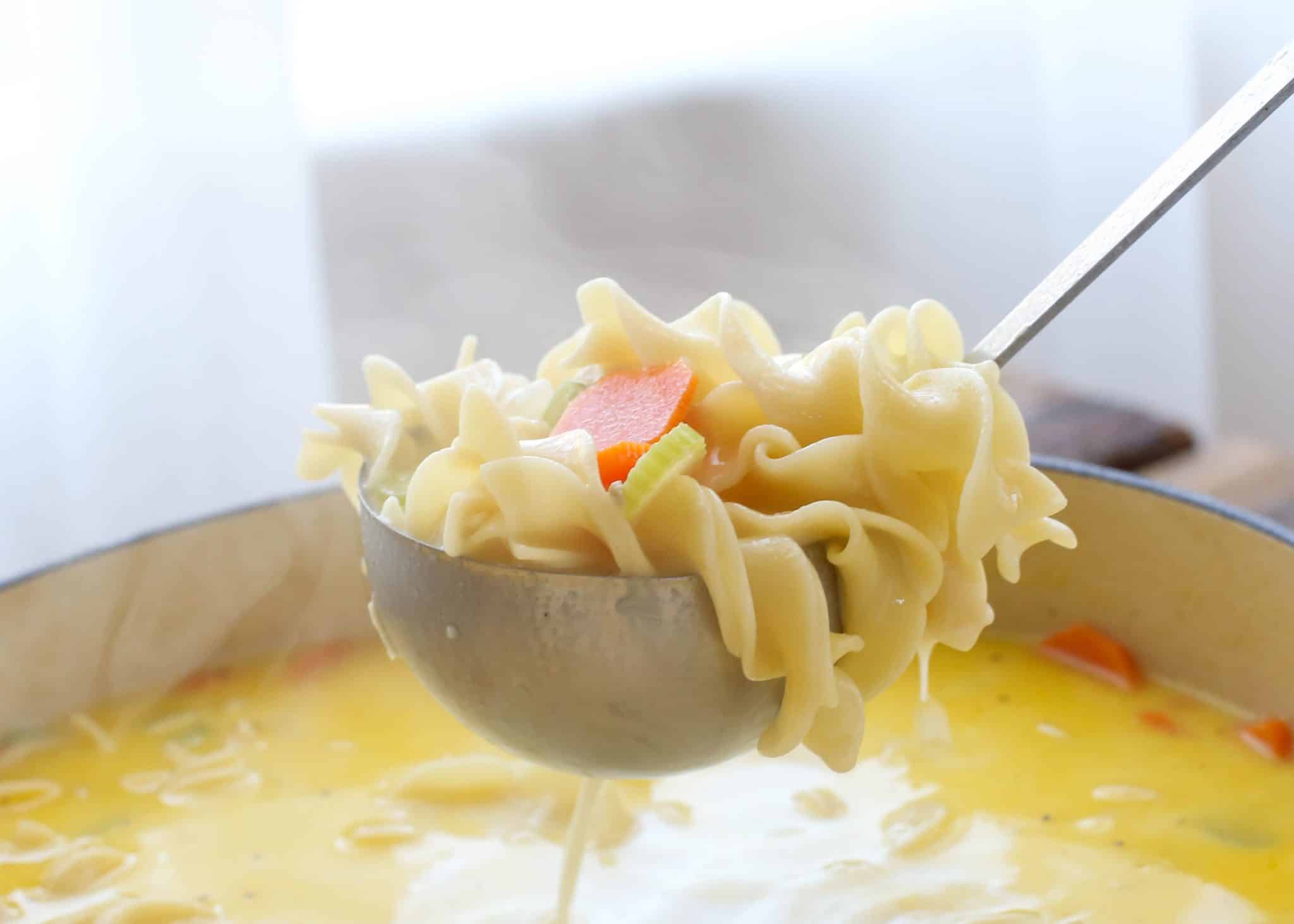
As the laughter of the holiday feast fades and the last of the pumpkin pie disappears, a sense of quiet contentment often settles in. The grand meal may be over, but the culinary joy isn't. For many, the day after a big celebration, especially Thanksgiving, brings with it a delightful tradition: transforming the remnants of that magnificent bird into something truly special. We're talking about the ultimate comfort food, a dish that feels like a warm embrace on a crisp day: amazing creamy leftover turkey soup.
Gone are the days of thin, watery broths that barely whisper of the feast gone by. This is your guide to creating a rich, velvety leftover turkey soup that will have your family eagerly anticipating the "second meal." It’s the perfect answer to the age-old question, "What to do with all that leftover turkey?" transforming what might otherwise be forgotten into a heartwarming, soul-satisfying experience.
The Magic of a Creamy Leftover Turkey Soup
What sets a truly exceptional leftover turkey soup apart from the rest? It’s often that luxurious, velvety texture and deep, complex flavor profile. This isn't achieved by chance but through a few intentional steps that build richness layer by layer. The secret weapon? A well-made roux.
A roux, a simple mixture of fat (butter, in this case) and flour, is the cornerstone of many classic creamy sauces and soups. When cooked properly, it not only thickens the liquid without lumps but also imparts a subtle, nutty flavor that enhances the overall taste. It’s the difference between a good soup and a truly spectacular one, creating that inviting, spoon-coating texture that feels like a culinary hug. Combined with the aromatic trio of diced onions, carrots, and celery – often referred to as a mirepoix – and fragrant herbs like thyme and sage, the foundation for an unforgettable soup is laid.
The beauty of this approach is its simplicity. While the result is undeniably gourmet, the process is straightforward, making it the perfect post-holiday project when you're looking for comfort without complication. You'll be amazed at how easily you can transform simple ingredients into a dish that feels both elegant and deeply comforting, maximizing the value and flavor from your holiday turkey.
Crafting Your Perfect Pot: A Step-by-Step Guide
Ready to embark on your leftover turkey soup journey? Gather your ingredients and prepare for a truly rewarding cooking experience. Here’s how to bring that creamy magic to life:
Building the Flavor Base
- Sauté the Aromatics: In a large, heavy-bottomed pot or Dutch oven, melt 2 tablespoons of butter over medium heat. Add your diced onion, carrots, and celery. Sauté gently for 7-8 minutes, stirring frequently, until the vegetables soften and the onion becomes beautifully translucent. This step is crucial for developing a sweet, savory depth.
- Bloom the Herbs and Garlic: Stir in your minced garlic, 1 teaspoon of dried thyme, and 1/2 teaspoon of dried sage. Continue to cook for just 1 minute more, until the garlic is fragrant and you can truly smell those wonderful herbs. Be careful not to burn the garlic!
The Creamy Foundation: Mastering the Roux
- Create the Roux: Sprinkle 1/4 cup of all-purpose flour evenly over the sautéed vegetables. Stir constantly for 1-2 minutes. This brief cooking time is vital; it cooks out the raw flour taste, allowing the roux to properly thicken your soup without imparting an undesirable starchy flavor. You'll notice it forming a thick paste – this is exactly what you want!
- Whisk in the Broth: Gradually pour in 6 cups of chicken or turkey broth, about one cup at a time, whisking vigorously after each addition. This continuous whisking ensures the roux dissolves completely into the broth, preventing lumps and creating that wonderfully smooth, creamy texture from the start. Bring the soup to a gentle boil, then reduce the heat to a steady simmer.
Adding Body and Richness
- Cook the Noodles (or Rice): Add 2 cups of uncooked egg noodles and 1 bay leaf to the simmering broth. Cook for 8-10 minutes, or until the noodles are perfectly tender. Stir occasionally to prevent sticking.
- Chef's Tip for Rice: If you prefer rice over noodles, it's highly recommended to cook the rice separately and add it to individual bowls just before serving. Why? Rice tends to absorb a lot of liquid and can become mushy, making the soup overly thick and gluey, especially if you plan to store or freeze leftovers. Cooking it separately maintains its texture and the soup's consistency.
- Stir in Turkey and Cream: Once the noodles are tender, reduce the heat to low. Stir in 2-3 cups of shredded leftover turkey and 1/2 cup of heavy cream. Allow the soup to warm through gently for about 5 more minutes.
- Important Note: After adding the cream, avoid bringing the soup to a rolling boil. A gentle simmer is ideal to keep the cream silky-smooth and prevent it from curdling.
- Season and Serve: Taste your magnificent creation! Add salt and freshly ground black pepper until the flavors are perfectly balanced. Remove the bay leaf before serving. Ladle into bowls and enjoy!
The Foundation of Flavor: Broth Beyond Compare
While the creamy texture and tender turkey are stars, the true soul of any exceptional leftover turkey soup lies in its broth. It’s the liquid gold that binds all the flavors together, elevating it from good to truly unforgettable.
Homemade Turkey Stock: The Ultimate Flavor Boost
If you have your turkey carcass post-feast, consider it a treasure, not trash! Making homemade turkey stock is the single best way to infuse your soup with unparalleled depth and richness. It’s surprisingly simple and incredibly rewarding:
- The Process: Place your turkey carcass (bones, skin, any bits of meat left) into a large stockpot. Cover it completely with water. Add a rough-chopped onion, a carrot, a celery rib, a few peppercorns, and perhaps a bay leaf. Bring to a gentle simmer, then reduce the heat and let it cook for at least 2-4 hours, or even longer for deeper flavor. The longer it simmers, the more flavor and beneficial collagen it extracts from the bones.
- The Benefits: Homemade stock is incredibly flavorful, nutritious, and allows for zero waste. It contributes a richness that store-bought versions simply can't match, creating a truly authentic and satisfying base for your best leftover turkey soup.
Quality Store-Bought Broth: A Convenient Alternative
No time for homemade stock? No worries! A good-quality store-bought chicken or turkey broth is an excellent, convenient, and delicious alternative. Look for brands with natural ingredients, low sodium content, and robust flavor. You can always enhance store-bought broth by simmering it with a few extra aromatic vegetables or herbs before adding it to your soup.
Elevating Your Leftover Turkey Soup: Beyond the Basics
Once you've mastered the classic creamy leftover turkey soup, feel free to experiment and make it your own! The beauty of this dish is its versatility.
Creative Customizations:
- Spice it Up: For a delicious kick, consider adding a touch of heat. A pinch of red pepper flakes, a dash of hot sauce, or even some diced Andouille sausage (as mentioned in some popular recipes) can transform the flavor profile.
- Vegetable Boost: Feel free to add other vegetables. Frozen peas or corn can be stirred in during the last few minutes of cooking for a burst of color and sweetness. Diced potatoes (added with the noodles) or spinach (stirred in at the very end) also make wonderful additions.
- Herb Variations: While thyme and sage are classic, fresh parsley, a touch of rosemary, or even a hint of dill can add different aromatic dimensions.
- Different Pastas: Instead of egg noodles, try small pasta shapes like orzo, ditalini, or even broken spaghetti for a different texture.
Freezing for Future Feasts:
One of the greatest gifts of a large batch of leftover turkey soup is its freezer-friendliness. This allows you to savor the taste of the holidays long after the festivities are over, providing a comforting meal during busy weeks.
- Preparation: Allow the soup to cool completely before transferring it to freezer-safe containers or bags. If using bags, lay them flat for easier storage.
- Storage: Frozen soup will keep well for up to 3 months.
- Reheating: Thaw overnight in the refrigerator, then reheat gently on the stovetop. You may need to add a splash more broth or cream to achieve the desired consistency as some liquid might be absorbed or evaporate during freezing and reheating.
Whether you're making it for an immediate cozy meal or stocking your freezer for future comfort, this creamy leftover turkey soup is a testament to the enduring joy of good food and clever culinary transformation. It's more than just a recipe; it's a tradition in the making.
